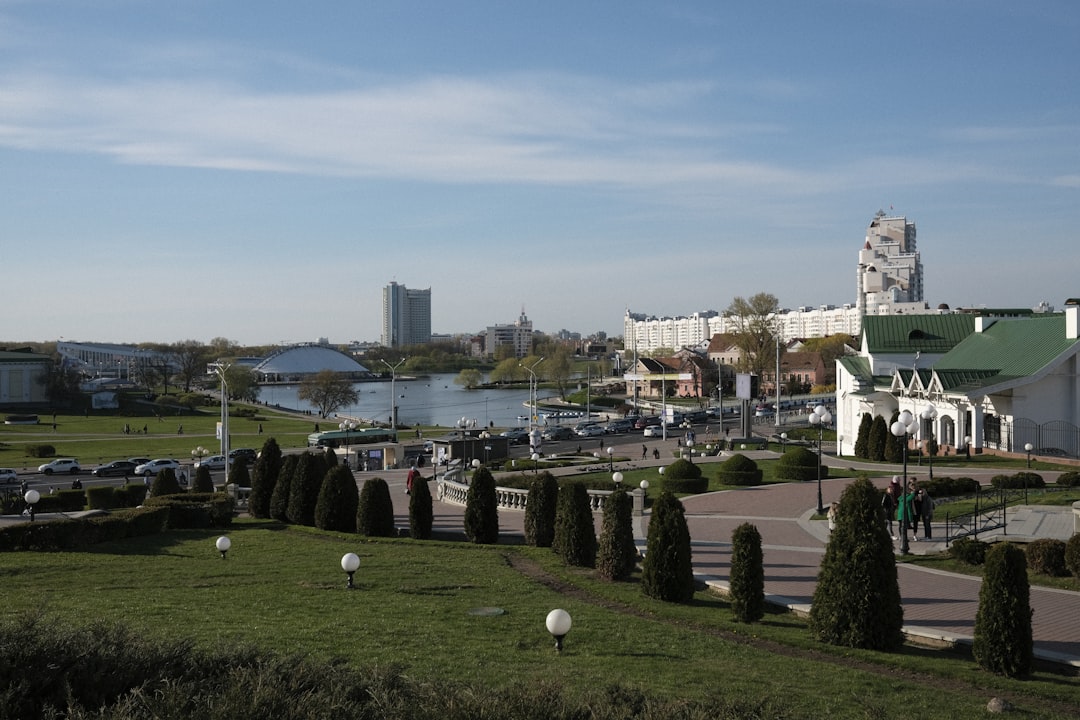
Minsk — Green, Red Gold, and River Light
Wide avenues, quiet islands, living memory.
Wide avenues, quiet islands, living memory.
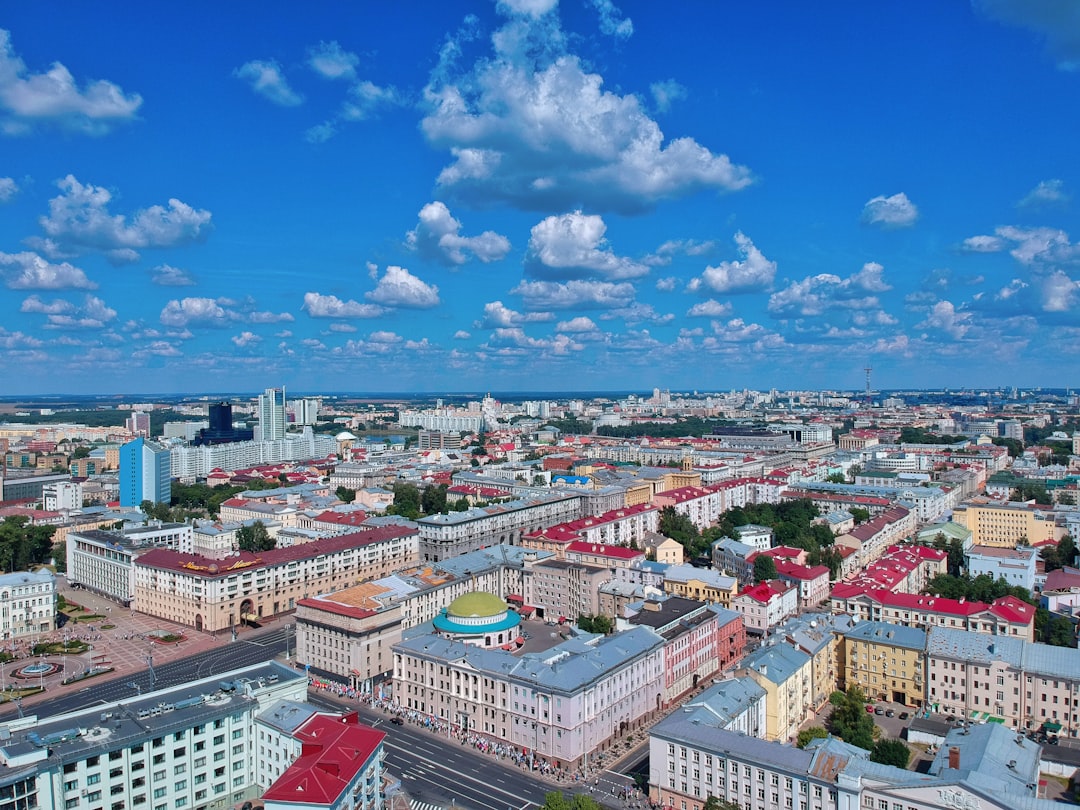
Minsk spreads between parks and rivers under skies that know long winters and lush, sudden summers. Soviet grandeur and baroque bells share the same grid; trams hum past monuments while café terraces open along water that remembers older names.
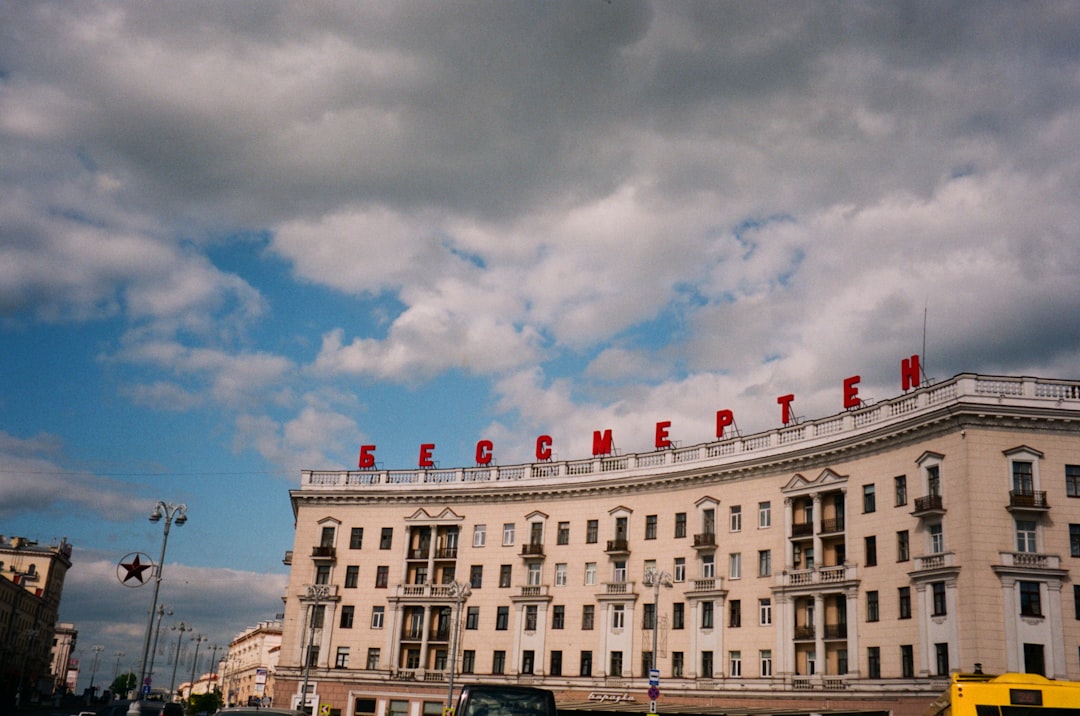
One of Europe’s great ceremonial axes unspools in pale stone and plane trees — fountains catch light where parades once rolled and the city still gathers for celebration. Evening turns the facades to parchment; footsteps sound small beneath the scale of intent.
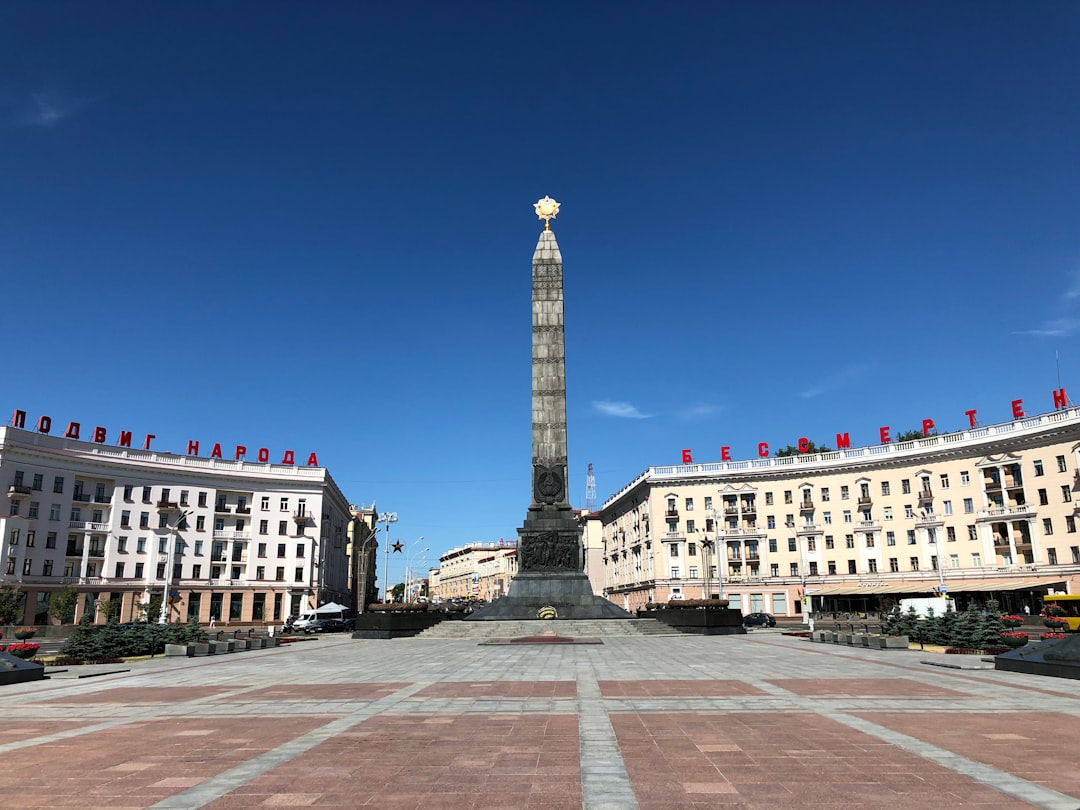
A granite obelisk lifts toward a sky that veterans once prayed to see again — wreaths, eternal flame, and the hush of a square built as thanks. Ring roads sweep around it; the city’s pulse slows here out of respect.
A glass rhombus tilts toward the horizon like a book left open by giants — at night LEDs sketch constellations on its facets. Inside, reading rooms stack silence high; outside, the city sees itself reflected in angled light.
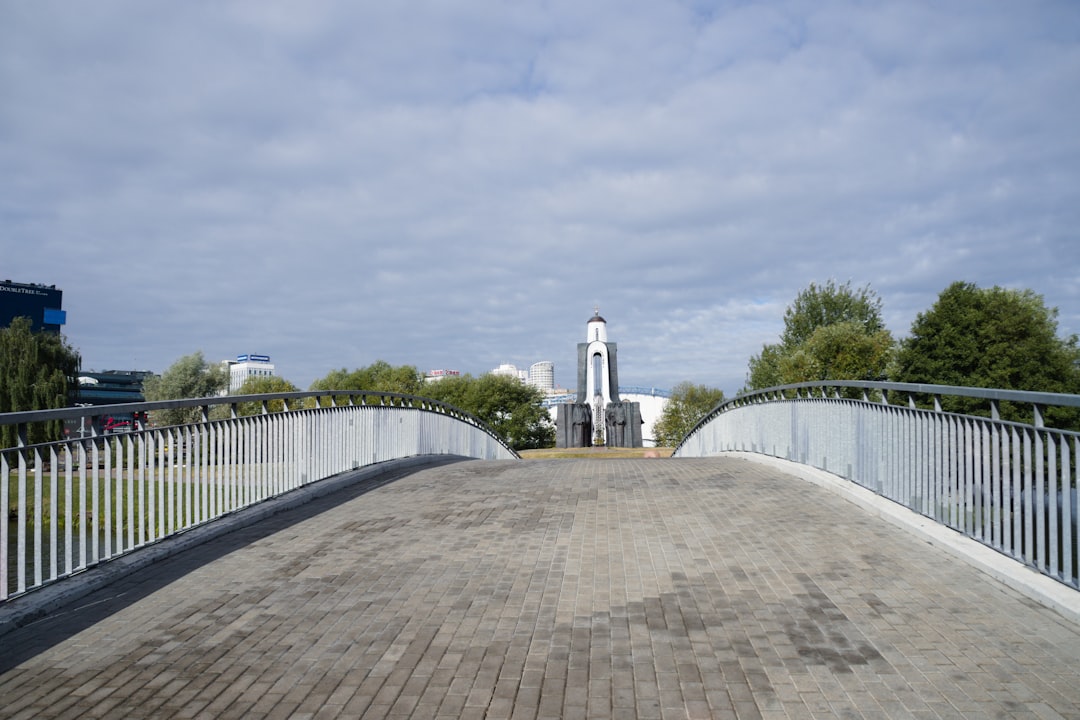
A small chapel guards a bronze grief on the Svislach — mothers, wives, sisters cast in metal stare toward water where memory refuses to ebb. Willow branches trail the current; bells answer the wind with a softer toll than history deserves.
Cobbles climb past pastel gables and craft shops toward a bend in the river — Minsk’s old mercantile quarter reborn as postcard and song. Street musicians draw circles of warmth; the water holds rippled copies of spires till dusk.
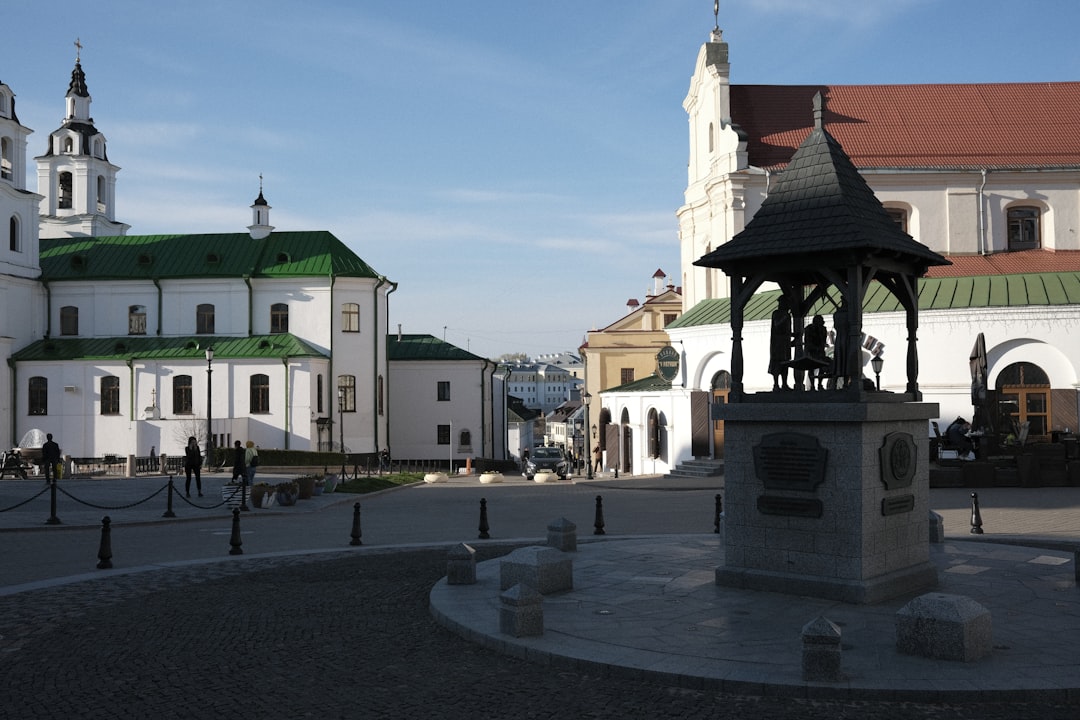
Baroque curves and sky-blue domes rise above a compact old-town knot — incense and candle-glow braid in a darkness thick with icon gold. Bells lean over lanes where the city’s deeper centuries still murmur through brick.
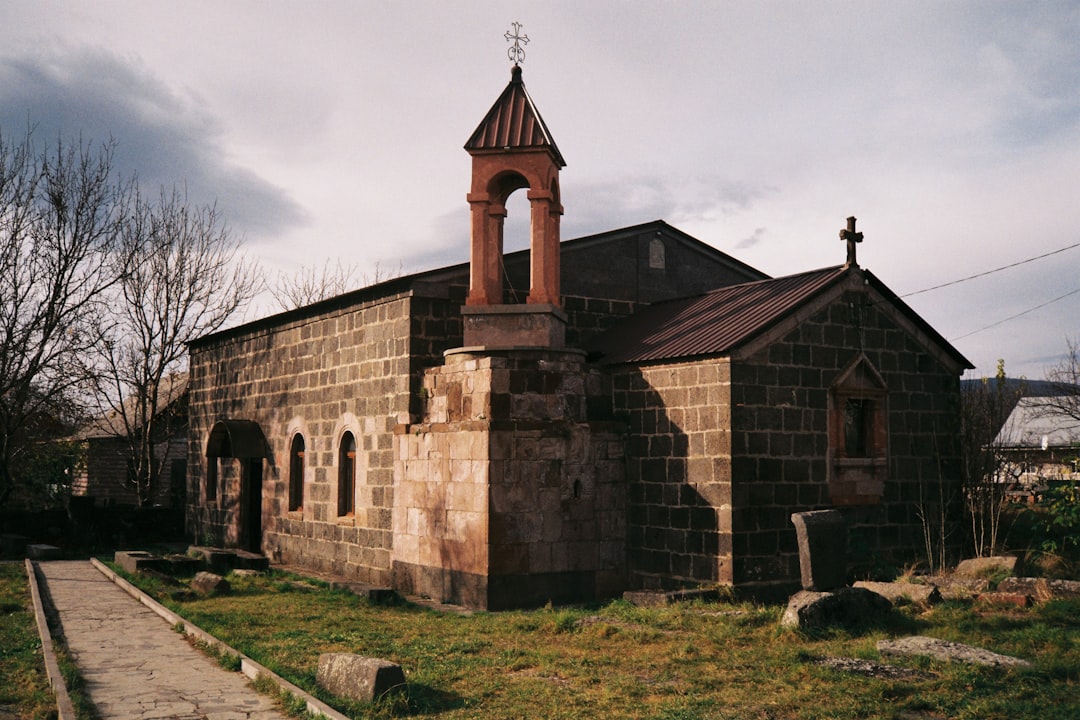
Brick the color of hearth coals lifts twin spires above Independence Square — the “Red Church” anchors civic space with Gothic dignity. Light through stained glass pools on marble; the crowd outside flows like a second liturgy.
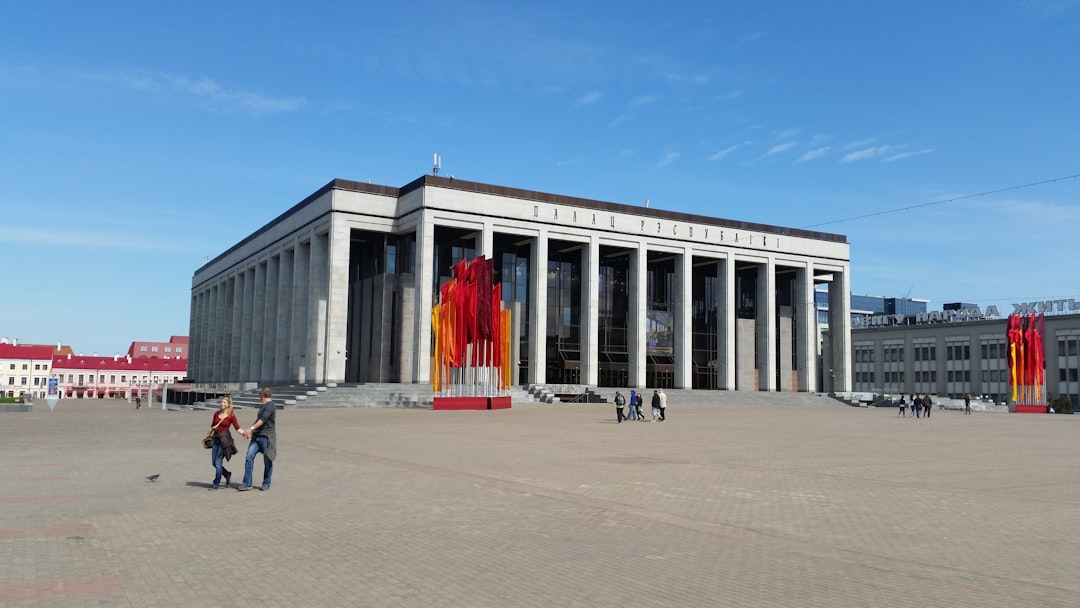
A brutalist crown of modern steel and glass crowns exhibits that do not flinch — armor, testimony, and dioramas hold daylight to account. Ramps spiral upward through years that shaped every family line in the country.
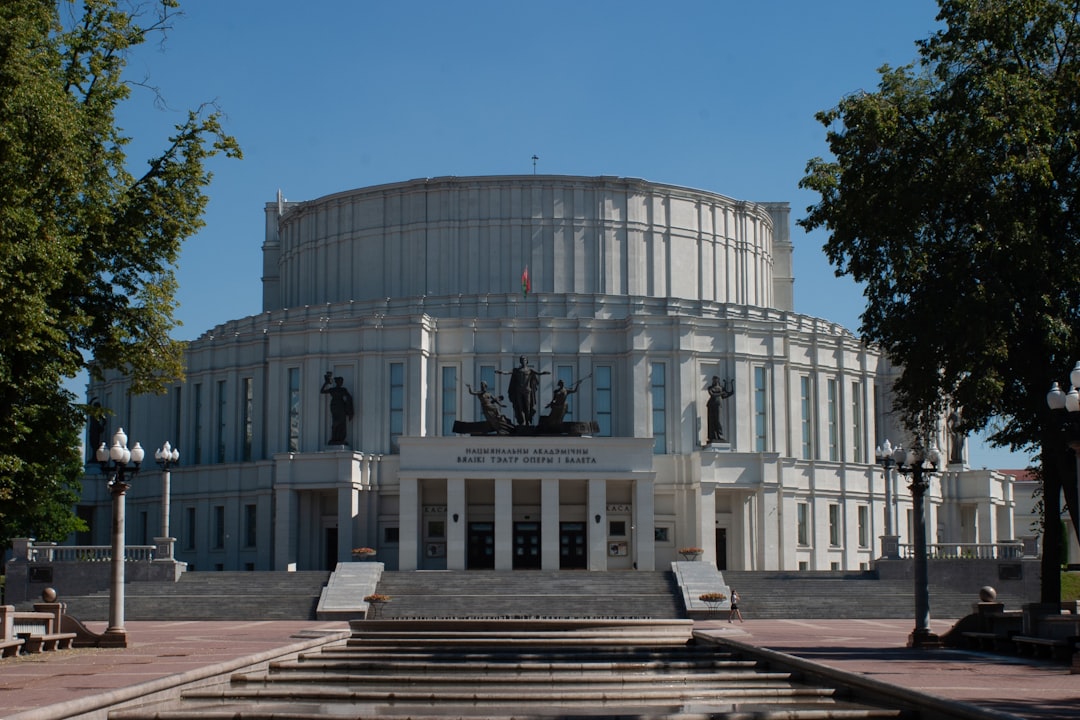
Chandeliers flood a hall where tutus skim boards like snowflakes over warm oak — the Bolshoi name here means rigor tempered with Slavic soul. Curtain fall brings applause that rolls through frescoed tiers like distant thunder.